Thursday, December 26, 2013

Hearing loss and diabetes

Recent studies show that there is higher incidence of hearing loss among people with diabetes then in the general population.  This suggests there is a tie between the two diseases.  The specific relation is still unknown.  They believe diabetes may damage the hearing nerves and blood vessels in the inner ear.

A National Institutes of Health study, revealed hearing loss to be twice as common in adults with diabetes.  Adults with elevated blood sugar but not high enough to be diabetes, have a 30 percent greater chance of developing hearing loss. 

Diabetes poses a multitude of health risks to the over 300 million people worldwide. Despite these findings, hearing screenings typically are not part of the recommended regimen of care for people with diabetes. Most people do not understand the threat the disease also poses to hearing health. 


When diagnosed with diabetes, have a baseline hearing evaluation. This allows us to track changes in hearing. Most insurance plans including Medicare cover the evaluation. 

Life sounds great!  Enjoy every moment!


8897 Mentor Ave
Mentor, Ohio 44060
440-205-8848
Fax: 440-205-9818


Image obtained 11-18-13 from: http://www.google.com/imgres?imgurl=http://www.dlife.com/diabetes/export/pics/dLife_Images/pwd_or_diabetic.jpg&imgrefurl=http://www.dlife.com/diabetes/lifestyle/diabetic_or_person_with_diabetes&h=270&w=303&sz=24&tbnid=V8JmoFf3YL8HKM:&tbnh=119&tbnw=134&zoom=1&usg=__3fnzLaxX9OtFuq3kt4FHvHrF4qk=&docid=ZW4Gm77Lc1ivZM&sa=X&ei=LEeKUviqGafuyQHg54HwCA&ved=0CFQQ9QEwAA

Thursday, December 19, 2013

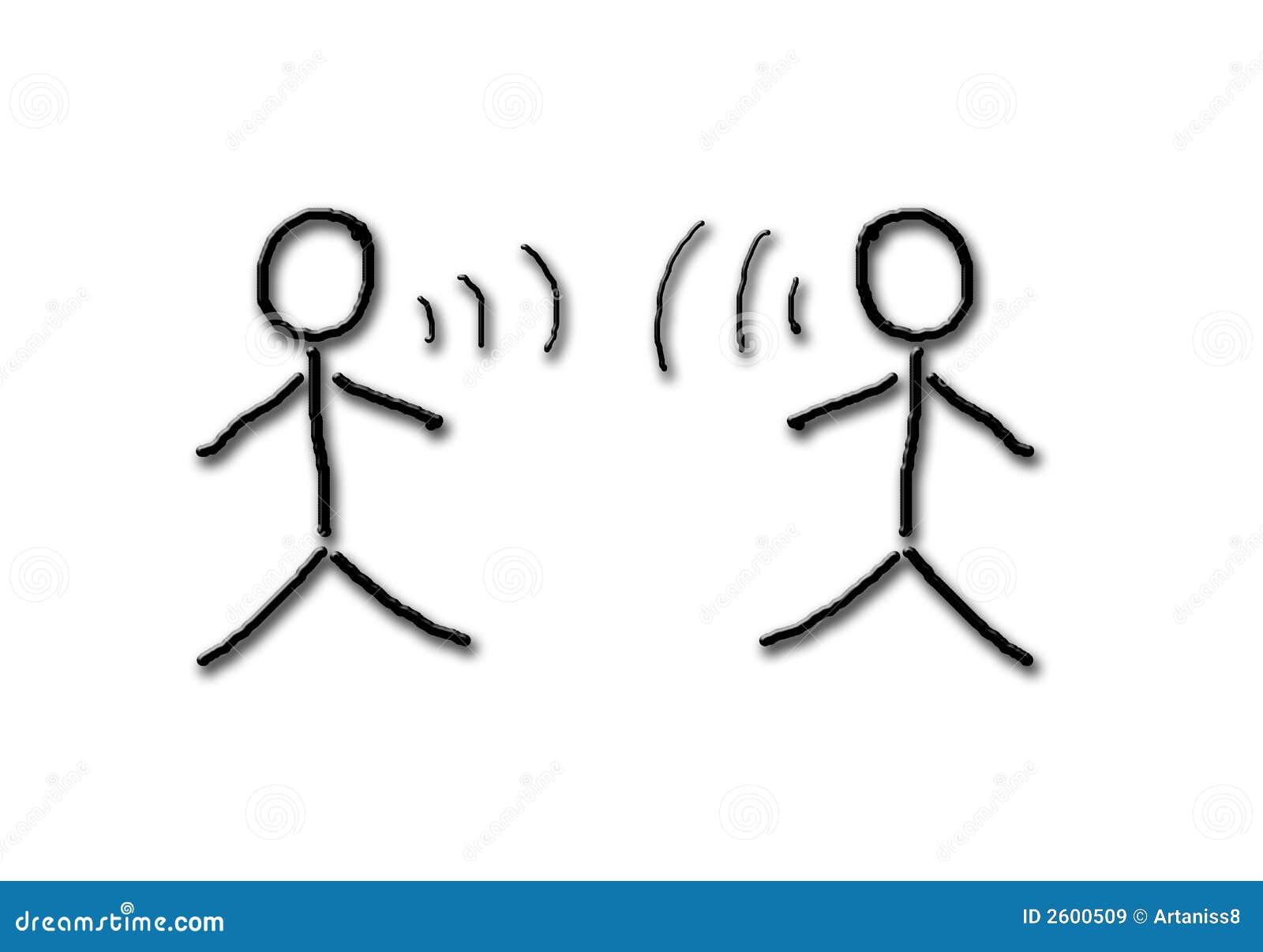
Talking with someone with a hearing loss

Quite often, when understanding conversation in group settings is challenging, those with hearing loss tend to withdraw and isolate themselves from group settings.  

Keep these tips in mind when communicating with someone with a hearing loss:
  1. Speak face to face.  Those with hearing loss, even when wearing hearing aids, depend on facial expressions and lip movements to fully understand what is being said.
  2. Always carry on conversation in the same room.  It is not possible to carry on a conversation from a different room, particularly if there is other noise, i.e. the dishwasher, fan, water or television set.
  3. Try not to converse with food or gum in your mouth.  This makes it difficult for him to read your lips.
  4. Speak clearly and distinctly.  It is not necessary to raise your voice or “yell”.
  5. Seat your father away from noisy environments, away from heating ducts, running water, entryways or restaurant kitchens.  If seated in a restaurant, be sure to find a quiet location and sit across the table from your father.
  6. If it appears he is not following the conversation, ask him exactly what he has heard and patiently guide him back into the conversation.


Hearing aids do not restore hearing to normal.  They are very helpful in improving the ability to communicate, but it is necessary for everyone to contribute toward a successful conversational situation.  The person with hearing loss needs to advocate for themselves.  Family, friends and co-workers must be told what is needed to help improve communication.  Hearing loss is invisible and it is easy to forget that someone has a hearing loss.  If you use these simple tips, your loved one should be able to participate successfully in all of your family gatherings, making this a Happy Holiday season.  


Life sounds great!  Enjoy every moment!


8897 Mentor Ave
Mentor, Ohio 44060
440-205-8848
Fax: 440-205-9818


Pictured obtained on 11-26-13 from: http://www.google.com/imgres?imgurl=http://thumbs.dreamstime.com/z/people-communicating-2600509.jpg&imgrefurl=http://www.dreamstime.com/royalty-free-stock-images-people-communicating-image2600509&h=997&w=1300&sz=103&tbnid=UW0XMJTAzTAerM:&tbnh=90&tbnw=117&zoom=1&usg=__OUVfWPyuV7IR8fBXT7Qz0d9vl2U=&docid=khoX76K94oPEyM&sa=X&ei=W_WUUo-hF6nWyQHBsAE&ved=0CDYQ9QEwAw

Thursday, December 12, 2013

Noise induces hearing loss in children and teens

Noise induced hearing loss among children and teens is on the rise.  We believe this is related to the increase in noise in our life style.  There are many ways young people are exposed to loud sounds.  Some of them are music players, car races, and toys such as a fire truck with a siren, all of which can be loud enough to harm hearing.

It’s often difficult to know when a sound is loud enough to be harmful. It is not just about how loud a sound is, “too loud” is a combination of the volume of the sound and how long one is exposed to it.  The louder a sound is, the shorter the permissible length of exposure. 

Sound is measured in decibels (dB). An exposure to a sound at 85 dB over 8 hours is acceptable.  For every three dB increase in the sound, the acceptable time is cut in half.  For example if the volume is 88 dB, it is safe for 4 hours, 91 dB is safe for 2 hours, 94 dB for 1 hour, etc.

Plus, the effects of loud sound add up.  For example, if he listens to music at 91 dB for four hours and mows the lawn (90 dB) for one hour, then he is hurting his hearing.

Here is a guide to help you determine the volume of some common sounds. 

60 dB—Normal conversations or dishwashers
80 dB—Alarm clocks
90 dB—Hair dryers, blenders, and lawnmowers
105 dB—Music players at full volume
110 dB—Concerts, car racing, and sporting events
120 dB—Jet planes at take off
130 dB—Ambulances and fire engine sirens
140 dB—Gun shots, fireworks, and custom car stereos at full volume

Here are a few “rules of thumb” for judging when sound is too loud.  It’s too loud if; you have to shout to be heard, if the volume causes pain, if noise makes your ears ring or if you have decreased or muffled hearing after being exposed to the sound.

If you are concerned, schedule a hearing evaluation for him.  It is good to establish a baseline of his hearing.

Life sounds great!  Enjoy every moment!


8897 Mentor Ave
Mentor, Ohio 44060
440-205-8848
Fax: 440-205-9818


Image obtained 11-18-13 from: http://www.123rf.com/stock-photo/listening.html

Thursday, December 5, 2013

Adjusting to hearing aids

To start with, I want to congratulate you on obtaining your first pair of hearing aids!  It’s a big step.  While you will find them to be of great assistance, things will sound different with hearing aids, including how you hear your own voice.  Because of this, first time wearers typically go through an adjustment period.

The more you wear your hearing aids, the quicker you will adjust to them.  Wear your hearing aids even if you send time alone during the day. Hearing birds, creaks in the floor, the telephone and other sounds, will help train your brain to listen again.  Over time hearing the sounds around the house becomes normal.  The more you wear them the quicker this will happen.  If you find sounds to be overwhelming, remove the hearing aids for an hour or two.

Add to what you hear by looking.  Everyone does some lip reading.  The brain puts together what you hear and what you see to make more sense of the information. 

Also, the way people speak can make a difference in how well you hear.  Here are some tips for family members and friends.
  • Get your loved one’s attention prior to speaking.  This allows them to focus and concentrate on what is about to be said.
  • Speak slowly and distinctly.
  • Rephrase information when it is not heard correctly.
  • Reduce background noise whenever possible, for example, mute the TV when talking.

Keep in mind that hearing aids can make a big difference in communication but they do not restore normal hearing.  This means that you will at times, miss words.  When this happens it’s important to keep your sense of humor.  Know that when your loved ones laugh about something you misheard, they are not laughing at you, just at a humorous misunderstanding.  Laugh with them. 

If you are having trouble adjusting to your aids after a few weeks, talk to your audiologist.  The hearing aid settings may need to be adjusted.  


Life sounds great!  Enjoy every moment!


8897 Mentor Ave
Mentor, Ohio 44060
440-205-8848
Fax: 440-205-9818


Image obtained 11-18-13 from: http://www.google.com/imgres?imgurl=https://fisher.osu.edu/blogs/internship/files/Communication.jpg&imgrefurl=https://fisher.osu.edu/blogs/internship/2010/04/13/power-of-assertive-communication/&h=1200&w=1200&sz=258&tbnid=VjJpSDDMU8tdfM:&tbnh=126&tbnw=126&zoom=1&usg=__AzReCsycDpqRDLsmPbDz8Ll-CsY=&docid=ozOLzx-p8hjETM&sa=X&ei=00CKUqG-E-HhyQGi_oDwAQ&ved=0CDAQ9QEwAA

Thursday, November 21, 2013

Investing in hearing aids

Buying hearing aids can be a very daunting process. Everywhere you turn there is another hearing aid advertisement. The nature and degree of your hearing loss will be the most important factor in determining the style of hearing aids that will be appropriate for you. The audiologist will guide you through this process. Information regarding your life style, work setting, recreational activities and expectations from amplification will be helpful in making a decision regarding the hearing aids. 

Cost of the instruments varies depending upon the level of technology and features of the hearing aids. The purchase of hearing aids is a major investment. If the price is the largest hurdle in your decision to purchase hearing aids, be sure to contemplate if more basic instruments would be appropriate. Inquire about the availability of financial assistance. 

Although most insurance companies will cover the cost of the hearing testing, they generally do not cover the cost of hearing aids. The hearing aids should be fit with a trial period. Expect to be seen for at least two hearing aids checks, to discuss your progress. Questions regarding the hearing aids, how they function, how well you are hearing in quiet and in noise, on the phone and in challenging listening situations will be addressed. If at the end of the trial period, you are not satisfied with the hearing aids, you have the right to return them or exchange them and try something different. Generally, there is a non-refundable fee when the instruments are returned. 

Purchasing hearing aids should be a positive experience with a successful outcome. Work together with your audiologist for the best results.

Life sounds great!  Enjoy every moment!


8897 Mentor Ave
Mentor, Ohio 44060
440-205-8848
Fax: 440-205-9818


Image obtained 11-18, 2104 from: http://www.google.com/imgres?imgurl=http://cchdwi.files.wordpress.com/2012/03/haids.jpg&imgrefurl=http://cchdwi.wordpress.com/2012/05/03/ask-the-audiologist-is-buying-hearing-aids-online-a-good-idea/&h=814&w=1165&sz=43&tbnid=6xEmOWP_y3RkoM:&tbnh=127&tbnw=182&zoom=1&usg=__3UuAWOnguj-Xp0gSN32pOiLsd60=&docid=EjILh29m3cmqGM&sa=X&ei=ITyKUsynEoPyyAGbqoGABA&ved=0CGUQ9QEwCQ

Thursday, October 24, 2013

Fun facts about hearing

Did you know???
  • Cicadas have their hearing organs in their stomachs.
  • Crickets have their hearing organs in their knees.
  • Male mosquitoes hear with thousands of tiny hairs growing on their antennae.
  • Fish do not have ears but they can hear. They hear pressure changes through ridges on their bodies.
  • Snakes do not have ears, but their tongues are sensitive to sound vibrations.
  • In World War One (WWI) parrots were kept on the Eiffel Tower in Paris, France because of their remarkable sense of hearing. When the parrots heard the enemy aircraft coming they would warn everyone of the approaching danger long before any human ear would hear it.
  • The three bones in the ear are the smallest bones in the human body. All three together could fit on a penny.
  • The ear continues to hear sounds, even while you sleep.
  • Sound travels at the speed of 1,130 feet per second, or 770 miles per hour.
  • Dogs can hear much higher frequencies than humans.
  • Ears not only help you hear, but also aid in balance.
  • Sitting in front of the speakers at a rock concert can expose you to 120 decibels, which will begin to damage hearing in only 7 1/2 minutes.
  • Everyone by 40 years of age should have a baseline hearing evaluation.

Schedule an appointment for a baseline hearing evaluation now!

Life sounds great!  Enjoy every moment!


8897 Mentor Ave
Mentor, Ohio 44060
440-205-8848
Fax: 440-205-9818


Image obtained 10-15-13 from: http://www.google.com/imgres?imgurl=http://davelearningstuff.files.wordpress.com/2011/06/cricket.jpg&imgrefurl=http://davelearningstuff.com/2011/06/15/a-crickets-ears-are-on-its-legs/&h=398&w=500&sz=66&tbnid=sBhoYgMq0esLuM:&tbnh=90&tbnw=113&zoom=1&usg=__o7BLYQJFhvV2cu_EUoVyq8PAyeU=&docid=QTUWTpmKjeFCEM&sa=X&ei=LGldUuqLOsL4yQG9woHwDA&ved=0CC8Q9QEwAQ

References
Better Hearing Institute (2008). BHI Factoids. Retrieved from: http://www.betterhearing.org/research/factoids.cfm
Sight and Hearing Association (2002). Health Issue of The Month. Retrieved from: http://www.sightandhearing.org/news/healthissue/archive/hi_0802.asp
The Nemours Foundation (2006). Your Ears. Retrieved from: http://kidshealth.org/PageManager.
jsp?lic=1&article_set=54031&cat_id=20607

Healthy Hearing (2008). Healthy Hearing (2008). Do Snakes Have Ears? How Do Snakes Hear Ssssssounds? Retrieved from: http://www. healthyhearing.com/hearing_library/article_content.
asp?article_id=847

Bess, F.H., Dodd-Murphy, J., & Parker, R.A. (1998). Children with minimal sensorineural hearing loss: Prevalence, educational performance, and functional status. Ear & Hearing, 19(5), 339-354.

Thursday, October 17, 2013

Hearing loss with poor word understanding


Severe hearing loss with poor word understanding is difficult.  Sometimes when the word understanding is very poor hearing aids just can’t make up for it.  At those times when hearing aids aren't able to provide clear words, family members can see how hearing aids are of benefit.

Hearing loss causes a breakdown in communication.  This affects everyone.  Not using hearing aids puts the extra work on those who talk with the person with hearing loss.  Others often become short tempered when they are asked to repeat.  This leads to others saying things such as “Forget it, it’s not important” or “Never Mind,” leading to feelings of useless, not being important and/or feeling left out.   This can lead to low self-esteem, loneliness, isolation and depression.  Even anger and frustration can arise.

There are good reasons to wear hearing aids even when words are not clear.  Just like crossword puzzles or Saduko type activities stimulate the brain, hearing aids can also help keep the brain sharp.  Just wearing the aid can help maintain brain function!

Have an updated hearing and hearing aid evaluation to ensure you are receiving the maximum benefit from the hearing aids.  Try new hearing aids.  If you are still struggling you may be a candidate for an FM/DM system or remote microphone.  These types of devices are added to your hearing aids.  They can improve word understanding in noise and decrease difficulty when the speaker is at a distance.

Using hearing aids can also help memory.  When using hearing aids you use less energy to hear.  This leaves more energy for remembering.  Further, if you don’t hear something correctly there is no chance of remembering it.

Life sounds great!  Enjoy every moment!


8897 Mentor Ave
Mentor, Ohio 44060
440-205-8848
Fax: 440-205-9818


Image obtained 10-14-13 from: http://www.google.com/imgres?imgurl=http://daleirvin.com/blog/wp-content/uploads/2012/11/a-word-search1.jpeg&imgrefurl=http://daleirvin.com/blog/?p%3D216&h=291&w=340&sz=74&tbnid=5o5Xp-FCS40a5M:&tbnh=118&tbnw=138&zoom=1&usg=__14MXSGqF1LIqWrzbW70MhqV2iNc=&docid=s6p0cbXnImRRWM&sa=X&ei=82lcUrOEFqrh2wX7poHIDA&ved=0CDAQ9QEwAA