Showing posts with label Painesville Ohio. Show all posts

Thursday, June 5, 2014

When is it time to have a hearing evaluation?


You can’t always tell when it’s time to have your hearing evaluated.  It is rare for hearing to change suddenly or in a noticeable way.  Typically, hearing changes very slowly.  So gradually, that most people aren’t aware of it.  Your family and friends are likely to notice it before you. 


Hearing needs to be checked regularly throughout life.  Hearing evaluations should be as routine as eye and dental exams.  Regular hearing checkups will help you maintain your maximum hearing and listening abilities, and avoid mishearing information.  If your hearing evaluation reveals hearing technologies are needed to maximize your hearing ability and decrease mishearing, move forward.  You will be pleasantly surprised by how well they work and look.  


Celebrities and performers use them to maximize their ability to do their jobs, to hear cues and to provide appropriate answers and information to questions.  Others use them to hear the boss, to be part of the discussion at a meeting and to increase their awareness of things happening at work.  They aid in daily life activities such as talking to shop clerks or servers in a restaurant and enjoying the company of family and friends.  It’s impossible to know who uses hearing aids today.  Hearing instruments range from invisible to successfully camouflaged
. 
Have regular hearing checkups.  When hearing is stable check it every five years.  When changes are noted, annual evaluations are necessary.  Call and schedule an appointment for your baseline evaluation. 

Life sounds great!  Enjoy every moment!


8897 Mentor Ave
Mentor, Ohio 44060
440-205-8848
Fax: 440-205-9818


Image obtained 4-22-14 at: http://www.buzzle.com/articles/audiologist-education-requirements.html

Wednesday, February 5, 2014

How does the Lyric extended wear hearing aid work?


Lyric is the first and only extended wear hearing aid.  It was built by a team of ENT physicians, audiologists, and engineers around three key concepts that audiologists have known for years:

  • Sound Quality improves with proximity to the eardrum 
  • Many people with hearing loss are dissatisfied with their hearing aid options 
  • Many people with hearing loss want a hassle-free, invisible solution

The design is unique. There are two soft foam seals engineered to contour to the ear canal.  The seals are coated with a technology developed to protect the device from moisture and earwax.  They are bio-compatible with the human body.  It is safe to wear the devices 24 hours a day, 7 days a week, up to four months at a time.   The battery is designed to last up to several months eliminating the need to change and buy hearing aid batteries.  The sound processing system is programmable to each person’s needs.  The device works millimeters from the eardrum, allowing for both microphone and receiver to fit in the ear canal.  This deep placement allows for natural sound quality and a truly invisible hearing aid.

You can find a Lyric trained audiologist in your area at: http://www.lyrichearing.com/find-a-provider?search_radius=100 


Life sounds great!  Enjoy every moment!


8897 Mentor Ave
Mentor, Ohio 44060
440-205-8848
Fax: 440-205-9818


Thursday, January 2, 2014

Why are some hearing tests free and others are not?

"Free" rarely really is free.  Those who offer free hearing tests have to cover this cost one way or another.  Usually the cost of testing is bundled into the price of the hearing aids.  It is hard to see the added cost since it is difficult to price compare hearing aids from one place to another. 

Often, hearing aid dealers offer “free” hearing tests because they cannot be reimbursed by your insurance company.  Bundling the costs helps them re-coop the expense of the equipment and their time.  Usually, an audiologist will be reimbursed by your insurance company.  Allowing the insurance company to pick up even this expense helps to keep the cost of the hearing aids down.

More importantly, the testing an audiologist performs is more thorough and complete.  A hearing aid dealer can measure hearing.  An audiologist can perform an audiologic assessment.  Audiologic assessment includes the measurement of hearing, and evaluation of middle and inner ear function.  This provides in-depth information about your ears as well as your hearing.  It determines whether you may have medical problem and need to see a physician or if you need hearing aids.  If you need hearing aids, this test is used to adjust your hearings and impacts your success with hearing aids. 

Another point of confusion is the offer of a free hearing screening.  Hearing screening does not take the place of a diagnostic evaluation.  A true hearing screening offers very little information about hearing.  It simply says whether or not you need a diagnostic evaluation.  Hearing screenings are often offered at places such as health fairs or senior centers.  If you have a screening and do not pass, an audiologic evaluation is needed.

Give yourself good care this year.  Schedule an appointment with an audiologist.   

Life sounds great!  Enjoy every moment!


8897 Mentor Ave
Mentor, Ohio 44060
440-205-8848
Fax: 440-205-9818


Picture obtained 12-20-13 at: http://www.google.com/imgres?imgurl=http://algetler.com/wp-content/uploads/2013/03/free-sign.gif&imgrefurl=http://algetler.com/last-call-for-a-free-digital-workshop/&h=309&w=388&sz=16&tbnid=IsU3R1GjtyLyAM:&tbnh=90&tbnw=113&zoom=1&usg=__TMpSozGVB_mLGUl3nFuVK48LpKU=&docid=H0BjiymUSbkd5M&sa=X&ei=mGq0UtiXIur7yAG2sICYDA&ved=0CC0Q9QEwAA

Thursday, December 26, 2013

Hearing loss and diabetes

Recent studies show that there is higher incidence of hearing loss among people with diabetes then in the general population.  This suggests there is a tie between the two diseases.  The specific relation is still unknown.  They believe diabetes may damage the hearing nerves and blood vessels in the inner ear.

A National Institutes of Health study, revealed hearing loss to be twice as common in adults with diabetes.  Adults with elevated blood sugar but not high enough to be diabetes, have a 30 percent greater chance of developing hearing loss. 

Diabetes poses a multitude of health risks to the over 300 million people worldwide. Despite these findings, hearing screenings typically are not part of the recommended regimen of care for people with diabetes. Most people do not understand the threat the disease also poses to hearing health. 


When diagnosed with diabetes, have a baseline hearing evaluation. This allows us to track changes in hearing. Most insurance plans including Medicare cover the evaluation. 

Life sounds great!  Enjoy every moment!


8897 Mentor Ave
Mentor, Ohio 44060
440-205-8848
Fax: 440-205-9818


Image obtained 11-18-13 from: http://www.google.com/imgres?imgurl=http://www.dlife.com/diabetes/export/pics/dLife_Images/pwd_or_diabetic.jpg&imgrefurl=http://www.dlife.com/diabetes/lifestyle/diabetic_or_person_with_diabetes&h=270&w=303&sz=24&tbnid=V8JmoFf3YL8HKM:&tbnh=119&tbnw=134&zoom=1&usg=__3fnzLaxX9OtFuq3kt4FHvHrF4qk=&docid=ZW4Gm77Lc1ivZM&sa=X&ei=LEeKUviqGafuyQHg54HwCA&ved=0CFQQ9QEwAA

Thursday, December 19, 2013

Talking with someone with a hearing loss

Quite often, when understanding conversation in group settings is challenging, those with hearing loss tend to withdraw and isolate themselves from group settings.  

Keep these tips in mind when communicating with someone with a hearing loss:
  1. Speak face to face.  Those with hearing loss, even when wearing hearing aids, depend on facial expressions and lip movements to fully understand what is being said.
  2. Always carry on conversation in the same room.  It is not possible to carry on a conversation from a different room, particularly if there is other noise, i.e. the dishwasher, fan, water or television set.
  3. Try not to converse with food or gum in your mouth.  This makes it difficult for him to read your lips.
  4. Speak clearly and distinctly.  It is not necessary to raise your voice or “yell”.
  5. Seat your father away from noisy environments, away from heating ducts, running water, entryways or restaurant kitchens.  If seated in a restaurant, be sure to find a quiet location and sit across the table from your father.
  6. If it appears he is not following the conversation, ask him exactly what he has heard and patiently guide him back into the conversation.


Hearing aids do not restore hearing to normal.  They are very helpful in improving the ability to communicate, but it is necessary for everyone to contribute toward a successful conversational situation.  The person with hearing loss needs to advocate for themselves.  Family, friends and co-workers must be told what is needed to help improve communication.  Hearing loss is invisible and it is easy to forget that someone has a hearing loss.  If you use these simple tips, your loved one should be able to participate successfully in all of your family gatherings, making this a Happy Holiday season.  


Life sounds great!  Enjoy every moment!


8897 Mentor Ave
Mentor, Ohio 44060
440-205-8848
Fax: 440-205-9818


Pictured obtained on 11-26-13 from: http://www.google.com/imgres?imgurl=http://thumbs.dreamstime.com/z/people-communicating-2600509.jpg&imgrefurl=http://www.dreamstime.com/royalty-free-stock-images-people-communicating-image2600509&h=997&w=1300&sz=103&tbnid=UW0XMJTAzTAerM:&tbnh=90&tbnw=117&zoom=1&usg=__OUVfWPyuV7IR8fBXT7Qz0d9vl2U=&docid=khoX76K94oPEyM&sa=X&ei=W_WUUo-hF6nWyQHBsAE&ved=0CDYQ9QEwAw

Thursday, December 12, 2013

Noise induces hearing loss in children and teens

Noise induced hearing loss among children and teens is on the rise.  We believe this is related to the increase in noise in our life style.  There are many ways young people are exposed to loud sounds.  Some of them are music players, car races, and toys such as a fire truck with a siren, all of which can be loud enough to harm hearing.

It’s often difficult to know when a sound is loud enough to be harmful. It is not just about how loud a sound is, “too loud” is a combination of the volume of the sound and how long one is exposed to it.  The louder a sound is, the shorter the permissible length of exposure. 

Sound is measured in decibels (dB). An exposure to a sound at 85 dB over 8 hours is acceptable.  For every three dB increase in the sound, the acceptable time is cut in half.  For example if the volume is 88 dB, it is safe for 4 hours, 91 dB is safe for 2 hours, 94 dB for 1 hour, etc.

Plus, the effects of loud sound add up.  For example, if he listens to music at 91 dB for four hours and mows the lawn (90 dB) for one hour, then he is hurting his hearing.

Here is a guide to help you determine the volume of some common sounds. 

60 dB—Normal conversations or dishwashers
80 dB—Alarm clocks
90 dB—Hair dryers, blenders, and lawnmowers
105 dB—Music players at full volume
110 dB—Concerts, car racing, and sporting events
120 dB—Jet planes at take off
130 dB—Ambulances and fire engine sirens
140 dB—Gun shots, fireworks, and custom car stereos at full volume

Here are a few “rules of thumb” for judging when sound is too loud.  It’s too loud if; you have to shout to be heard, if the volume causes pain, if noise makes your ears ring or if you have decreased or muffled hearing after being exposed to the sound.

If you are concerned, schedule a hearing evaluation for him.  It is good to establish a baseline of his hearing.

Life sounds great!  Enjoy every moment!


8897 Mentor Ave
Mentor, Ohio 44060
440-205-8848
Fax: 440-205-9818
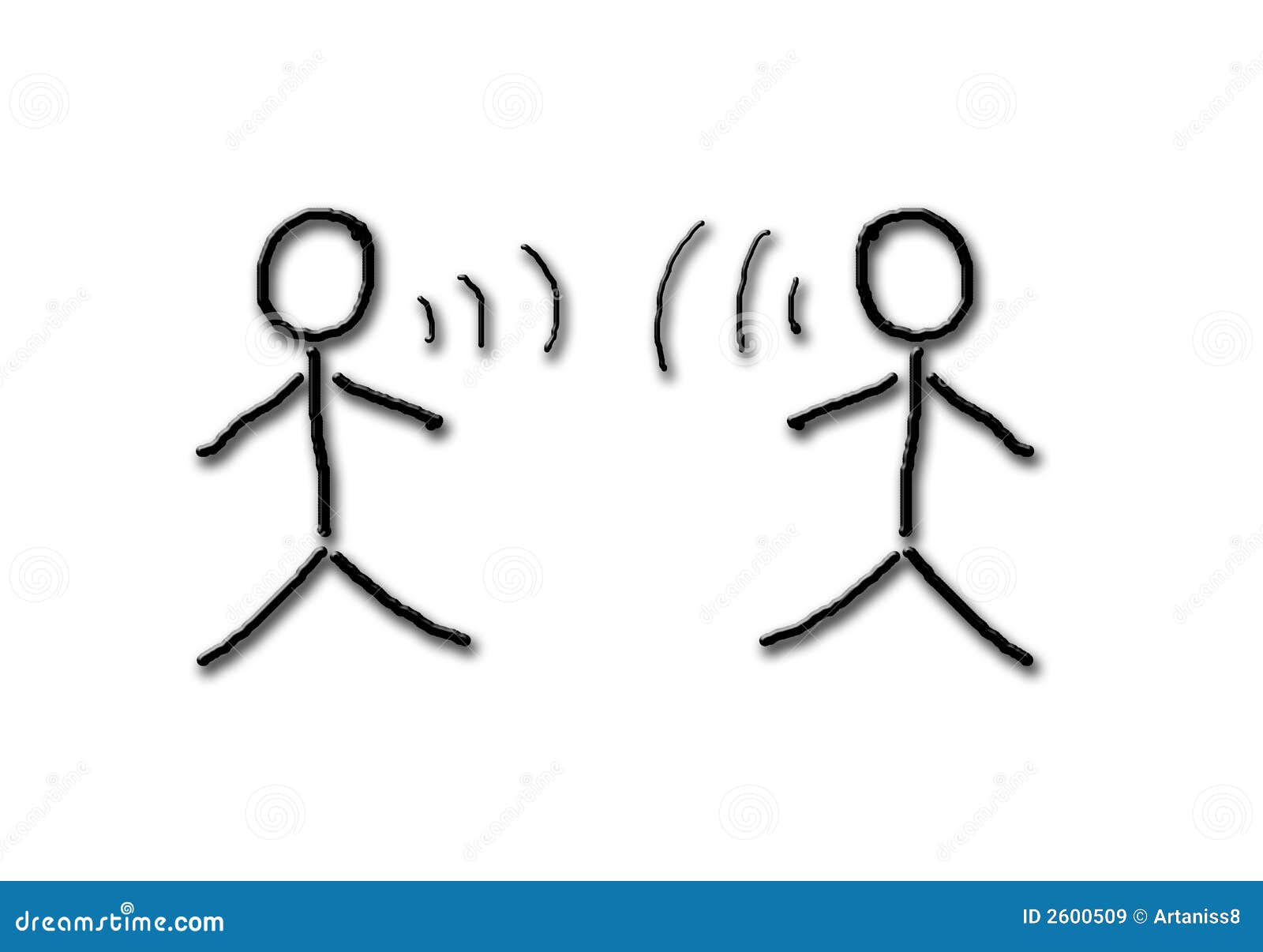


Image obtained 11-18-13 from: http://www.123rf.com/stock-photo/listening.html